Common Questions
Frequently asked.
Whether you're buying, selling, or just curious about the real estate market in Wilmington and Clinton County, these are the questions we hear most from our neighbors. We compiled them from real conversations with real people at our downtown office at 117 N. South St, Suite A, where we answer questions from first-time buyers, growing families, sellers looking to downsize, and out-of-state relocators every week. If your question isn't here, we are always happy to talk. Call, text, or email us anytime.
Buying in Wilmington
How much house can I afford in Wilmington?
The median home sold price in the Wilmington area is approximately $240,000 ($179 per square foot) as of late summer 2026, but affordability depends on your income, debts, credit score, and down payment. A general guideline: your monthly housing payment should not exceed 28–33% of your gross monthly income. Our team can connect you with a trusted local lender who will give you an accurate pre-approval based on your specific situation.
How competitive is the Wilmington housing market right now?
The Wilmington market is competitive but not overheated. Homes are selling in about 38 days on average, and well-priced homes in desirable neighborhoods — especially near downtown and the south-side subdivisions — can attract multiple offers in the first couple of weeks. The market is balanced overall, which means buyers who are pre-approved, decisive, and working with local agents who know the subtle differences between neighborhoods have a real advantage. Homes needing updates or in less central locations still offer good negotiating room.
How do I make a competitive offer in the current Wilmington market?
In Wilmington's balanced market, preparation is your biggest advantage. Get pre-approved before you start looking so you can act decisively. Work with an agent who knows the neighborhood and can advise on an offer price based on real comparable sales. In the $150,000 to $350,000 range — the most active price segment — homes priced right from day one can attract multiple offers within the first couple of weeks. Include a reasonable due diligence fee (typically $500 to $2,000) to show you are serious, and be ready to move on inspection and appraisal timelines. Our agents handle every offer with a strategy tailored to your specific situation and the home you are pursuing.
What's the difference between pre-qualification and pre-approval?
Pre-qualification is an informal estimate — you tell a lender your income and assets, and they give you a rough idea of what you might qualify for. Pre-approval is the real deal: you submit documentation (pay stubs, bank statements, tax returns), the lender pulls your credit, and they issue a firm commitment up to a specific amount. In the Wilmington market, a pre-approval letter carries real weight with sellers. It shows you're serious and ready to close, not just browsing.
What neighborhoods in Wilmington are popular with buyers?
It depends on what matters most to you. The subdivisions on the south and east sides — areas near South Street, Rombach Avenue, and around Willow Springs — are popular with families for their mature trees, generous lots, and proximity to Wilmington City Schools. Downtown Wilmington offers Victorian character and walkable access to the Murphy Theatre, local shops, and restaurants like Bex, Traily Haus, and Kava Haus. The northwest side of the city tends to be the most desired area overall. For buyers wanting space and privacy, country properties with acreage are available just minutes from downtown. Our agents know every street and can help you find the right fit.
How walkable is downtown Wilmington?
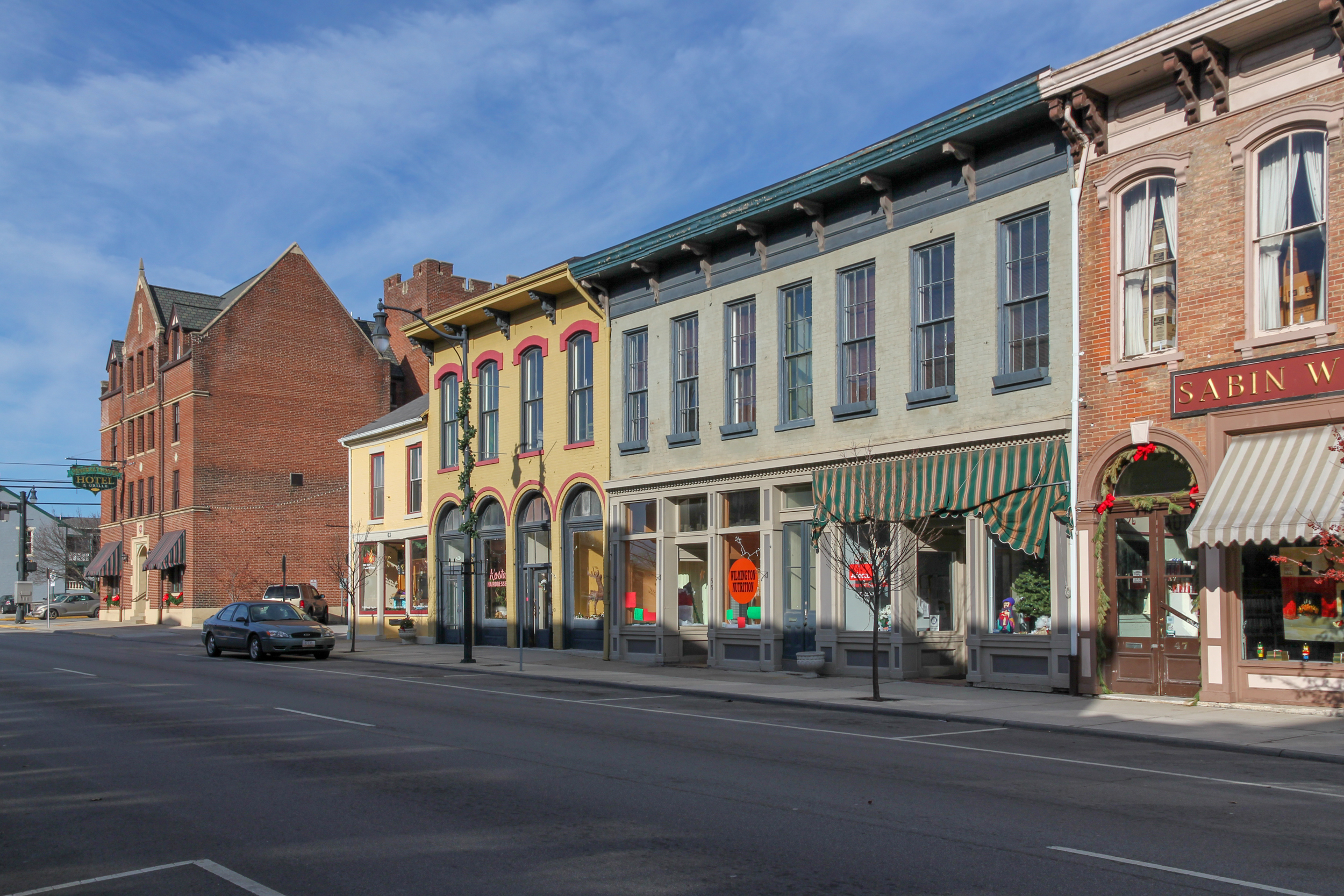
Downtown Wilmington is genuinely walkable — tree-lined Main Street features locally owned shops, restaurants like The Mediterranean, Kava Haus coffee shop tucked in a historic former funeral parlor, TinCap Hard Cider, and the historic Murphy Theatre. If you live in or near downtown, you can walk to dinner, catch a live show, or browse local boutiques without getting in your car. It's one of the things that makes Wilmington feel like a real community.
Are there programs to help first-time buyers with down payments?
Yes — Ohio is one of the most buyer-friendly states for down payment assistance. The Ohio Housing Finance Agency (OHFA) offers the Your Choice! program (up to 2.5% as a grant or deferred loan), the Ohio Heroes program (for teachers, healthcare workers, first responders, and military), and the Grants for Grads program. The Clinton County Housing Assistance Program (HAPEC) also provides subsidies for qualifying first-time buyers right here in our county. FHA loans require as little as 3.5% down, conventional loans can go as low as 3%, and VA and USDA loans are available with zero down payment throughout all of Clinton County. Visit www.glasshouserealty.com to learn more.
Can I use a VA loan to buy a home in Wilmington?
Absolutely. VA loans are available to eligible veterans, active-duty service members, and surviving spouses with no down payment required. There is no federal minimum credit score (though most lenders prefer 620+), no private mortgage insurance, and competitive interest rates. Wilmington and all of Clinton County are well served by lenders who process VA loans regularly. It's one of the best home financing benefits available, and we work with local lenders who understand the VA loan process inside and out. If you are a veteran or active-duty buyer, this is worth exploring.
What USDA loan options are available in Clinton County?
All of Clinton County — including Wilmington, Blanchester, Sabina, Clarksville, Martinsville, and Port William — is designated as a USDA-eligible rural area. That means qualified buyers can purchase a home with zero down payment, competitive interest rates, and lower mortgage insurance than FHA or conventional loans. The household income limit for 1–4 person households is $119,850 and $158,250 for 5–8 person households, which covers most buyers in our market. USDA loans also allow the seller to pay up to 6% of the purchase price toward closing costs. If you are looking for the most affordable path to homeownership in Clinton County, a USDA loan is often the answer.
How long does the home buying process take?
From the start of your home search to closing day, the typical timeline is 30 to 60 days once your offer is accepted. The pre-approval and search phase can take a few weeks to a few months depending on your readiness and the market. Getting pre-approved before you start touring homes is the best way to stay ahead. Our team keeps things moving efficiently while making sure nothing is rushed.
What home styles are most common in Wilmington?
Wilmington's housing stock is predominantly traditional Midwestern styles — ranch homes, Cape Cods, colonials, and bungalows from the mid-20th century. Downtown features beautiful Victorian-era homes with wraparound porches along tree-lined streets. The subdivisions on the south and east sides offer ranch and two-story designs from the 1960s through 2000s. Newer construction communities like Timber Glen by Cristo Homes provide contemporary open floor plans. Country properties outside town include classic farmhouses and split-level homes on generous acreage.
Should I buy a home now or wait in the Wilmington market?
The late summer 2026 market is balanced with moderate inventory and prices around $240,000 median, with homes selling in about 38 days on average. Mortgage rates have stabilized and there is no indication of a major price drop. The best time to buy is when you find the right home at the right price with the right mortgage terms. A Glasshouse Realty buyer's agent can help you weigh your specific situation and decide what makes sense for your timeline and budget.
What should I know about well water and septic systems on rural properties in Clinton County?
Many homes outside the city limits in Clinton County rely on private wells and septic systems rather than municipal water and sewer. If you are buying a rural property, you will want a well water test checking for bacteria, nitrates, and hardness, a septic system inspection of the tank and leach field, and verification that the well flow rate is adequate. Well and septic inspections are separate from a standard home inspection and typically cost a few hundred dollars — well worth the investment. Older septic systems can cost $5,000 to $15,000 to replace. Our agent team will help you understand exactly what inspections are needed for any rural property you are considering.
What common home inspection issues come up in older Wilmington homes?
Many homes in Wilmington were built before 1978, which means potential lead paint disclosure is important. Older homes can also have aging HVAC systems, outdated electrical wiring, and basement moisture from the area's clay soil. Downtown Victorian homes may need foundation or roof attention. A thorough home inspection is your best protection — we coordinate with trusted local inspectors who know exactly what to look for in Clinton County homes.
Is Wilmington a good place for remote workers who need reliable internet?
Yes. Wilmington has solid internet infrastructure throughout most of the city. Spectrum and other local providers both offer cable and fiber internet in most neighborhoods, and some areas near downtown have access to gigabit speeds. Cell coverage on the major carriers is strong within the city limits and along major highways. Like any small city, coverage can be weaker in the more rural areas outside town. Before committing to a property, we can help you check what internet options are available at that specific address.
What is the Wilmington Air Park and how does it affect the housing market?
The Wilmington Air Park is a major economic engine for Clinton County. It is home to Air Transport Services Group (ATSG), ABX Air, and R+L Carriers headquarters — together employing thousands of people in high-quality aviation, logistics, and corporate jobs. The Air Park brings stable employment to the area, which supports steady demand for housing. Many Air Park employees live right here in Wilmington and the surrounding communities, drawn by affordable housing and short commutes. Homes on the north and east sides of town are especially popular with aviation and logistics professionals.
What subdivisions in Wilmington are most active for buyers?
Several subdivisions in Wilmington are consistently active. Timber Glen by Cristo Homes is a popular new-construction community offering modern floor plans starting in the mid-$200s. Ironwood Commons on the south side features well-maintained homes on generous lots. Willow Springs and Village Manor on the east side offer established landscaping and mature trees. The areas along Rombach Avenue and South Street have a mix of older and newer homes. Country properties with acreage are available just outside the city limits in every direction.
What do I need to know about buying a home near downtown Wilmington?
Downtown Wilmington offers some of the most character-rich homes in the area — Victorian-era houses with wraparound porches, tall windows, and historic details you cannot find in new construction. Living downtown means you can walk to the Murphy Theatre, Kava Haus, Traily Haus, and local shops. Many downtown homes were built before 1978, so a thorough home inspection is especially important. Inventory in the downtown core can be limited, so working with an agent who knows the area well is a real advantage.
Should I buy or continue renting in Wilmington?
This is the first question every buyer should honestly answer. In the Wilmington market, with a median home price around $240,000 and typical mortgage payments often landing close to or below what you would pay in monthly rent for a comparable property, buying usually makes financial sense if you plan to stay for at least a few years. You build equity instead of paying someone else's mortgage, and with programs like USDA zero-down and OHFA down payment assistance available throughout Clinton County, the barrier to entry is lower than many people realize. We're happy to run the numbers for your specific situation — email us at marketing@glasshouserealty.com anytime.
What questions should I ask during a home showing?
When you walk through a home, ask about the age of the roof, HVAC system, and water heater — these are the big-ticket items. Find out if the home is in a flood zone, what the seller's timeline is, and whether there are HOA fees or restrictions. Check for signs of water damage in the basement and attic, and pay attention to how the home was maintained. We always encourage our buyers to bring a list of their own questions too — no question is too small, and we are right there with you during every showing to help spot things you might miss.
What is the due diligence fee in Ohio?
In Ohio, the due diligence fee (sometimes called a good faith deposit) is paid directly to the seller when your offer is accepted. It typically ranges from $500 to $2,000 and gives you the right to inspect the property and negotiate repairs during a set period, usually 7 to 14 days. If you decide to move forward after inspections, this fee is credited toward your down payment or closing costs. If you walk away for a reason covered in your contract (like a failed inspection), the fee is refunded. Your agent will explain exactly how this works before you write your first offer.
Can I buy a home in Wilmington while living out of state?
Absolutely. We help out-of-state buyers relocate to Wilmington and Clinton County every year from places like Florida, Texas, and California who are drawn by the lower cost of living and genuine community. The process works much the same as a local purchase, with a few adjustments. You can get pre-approved remotely, tour homes virtually via video walkthrough, and have a local agent handle inspections and walkthroughs on your behalf. We also help connect you with local lenders who understand the needs of remote buyers. Visit www.glasshouserealty.com to start the conversation.
How do school districts affect which neighborhood or area I buy in around Clinton County?
Where you buy determines which of the four public school districts serves your address: Wilmington City Schools serves the city itself, while Clinton-Massie Local Schools, Blanchester Local Schools, and East Clinton Local Schools cover the surrounding villages and townships. In Wilmington City Schools, elementary students spend their early years at Holmes Elementary, move to Denver Place Elementary for upper elementary, then Wilmington Middle School, and finally Wilmington High School. Ohio allows open enrollment between districts, so families have real options. Our agents' own kids attend these same schools, so we can walk you through which neighborhoods feed which buildings before you ever make an offer.
Should I buy a new construction home or an existing home in Clinton County?
Both options have real fans among our clients. New construction in neighborhoods like Timber Glen by Cristo Homes offers modern floor plans, current finishes, energy efficiency, and builder warranties, but the lot, the timeline, and the final finish details take patience. Existing homes in established areas like Willow Springs, Ironwood Commons, Village Manor, or downtown Wilmington give you mature trees, established landscaping, character, and often a faster move-in timeline, but they may come with updating projects. The right answer depends on your budget, your timeline, your tolerance for projects, and what kind of neighborhood you want to live in. We compare both side by side with our buyers all the time, and we are happy to do the same for you.
Can a seller contribute toward my closing costs when I buy in Wilmington?
Yes, seller concessions are common in the Clinton County market. Depending on your loan program, sellers can contribute up to a set percentage of the purchase price toward your closing costs and prepaids: up to 3% on a conventional loan if you put less than 10% down (6% if your down payment is 10% or more), 6% on FHA loans, and up to 6% on USDA loans. In a balanced market like ours, buyers often use seller concessions to offset closing costs, inspection repairs, or rate buydowns. We negotiate this strategically so your offer stays competitive while still protecting your budget.
What should I know about buying acreage or a hobby farm in Clinton County?
If you want space for hobbies, gardens, or animals, acreage outside Wilmington is a great fit, and we sell this kind of country property every year. Homes on five to twenty acres are common just minutes from town, so you keep the convenience of Wilmington while gaining real privacy. Three things matter most: well water and septic inspections (budget a few hundred dollars for a water test and septic tank check), county zoning for any barn, shop, or outbuilding plans, and the condition of the access road in winter. Properties near the World Equestrian Center are especially popular with buyers who keep horses, and our agents walk many first-time country buyers through the whole process. You can start the conversation any time at www.glasshouserealty.com.
What is the World Equestrian Center, and why are buyers in Wilmington talking about it?
The World Equestrian Center sits on more than 200 acres just northwest of town on State Route 730, with over 200,000 square feet of indoor competition space, seven indoor rings, five outdoor arenas, and more than 800 permanent stalls, plus two restaurants, a candy store, and a chapel on site. Named one of TIME's World's Greatest Places in 2024, it draws riders and spectators from across the country to Clinton County year round. That visitor traffic is part of why we meet so many people at shows who end up asking what it is like to live here. For buyers who ride, having a world-class equestrian facility in your backyard is a big deal, and homes with barns and pasture near the facility are in steady demand. For everyone else, the WEC means Wilmington gets visitors, events, and economic energy that most towns our size simply do not have.
Are home prices in Wilmington rising or cooling off right now?
After a strong run in 2025, the Wilmington market has eased some in 2026. Median sold prices are running around $240,000, a bit below last year's peak, while homes are selling faster than they were a year ago, roughly 36 to 40 days on average. That shift is good news for buyers: more inventory, more negotiating room, and less pressure to decide on the spot. Prices are settling, not collapsing, and well-priced homes in the most popular neighborhoods still move quickly. We track the Clinton County numbers every week, so we can tell you exactly what is happening in the price range and neighborhoods you care about. For the latest data, visit www.glasshouserealty.com.
What should I budget for each month beyond my mortgage payment?
Beyond principal and interest, plan for property taxes and homeowners insurance, often escrowed right into your monthly payment, plus utilities and internet, lawn care or HOA dues if they apply, and a maintenance line item of roughly 1% of the home's value each year. On a $240,000 home that is about $200 a month in upkeep alone, on top of taxes and insurance. Clinton County's property taxes run below the Ohio average, which helps keep the full payment affordable. We build a realistic month-by-month budget with every buyer, so the payment works for your life, not just the number a lender approves.
What should I know about buying a historic home in Ohio?
Historic homes, like the Victorian-era houses in downtown Wilmington, are a big part of the area's charm. Most were built before 1978, so federal law requires the seller to disclose any known lead-based paint, provide the EPA brochure Protect Your Family from Lead in Your Home, and give you a chance to do your own lead inspection or risk assessment, often within 10 days, which can be shortened by mutual agreement. A thorough home inspection and a lead test are worth the money. Note that Ohio's state historic tax credit does not apply to owner-occupied single-family homes, so plan to budget for maintaining an older home yourself. Our agents know the age and condition patterns of older Clinton County homes and can connect you with inspectors who specialize in them.
Do I need a well test and septic inspection when buying a rural property in Ohio?
Ohio does not have a single statewide rule, so the requirements depend on your county health district. Clinton, Greene, and Highland county boards of health each run their own point-of-sale rules, and many lenders require an approved well-water test and septic inspection before they will fund a rural loan. A private well should be tested for total coliform bacteria and nitrates by a state-certified lab, and the Ohio Department of Health recommends testing at least annually. A septic system should have its tank and drain field inspected. Expect to budget a few hundred dollars for these, separate from the standard home inspection, and confirm the exact rules with the county board of health for the specific property, because they can change.
How does a home appraisal work when I buy or sell a home in Ohio?
When you finance a home, the lender orders an independent appraisal to confirm the property is worth the agreed price. The appraiser compares the home to recently sold comparable properties and weighs condition, size, and location. Ohio appraisers must be licensed or certified and independent from the transaction, and federal rules are designed to keep the appraisal free from lender and agent pressure. An appraisal is different from your agent's comparative market analysis, which estimates value for pricing. If an appraisal comes in low, you can challenge it, renegotiate the price, or make up the difference in cash. We coordinate appraisals and walk buyers and sellers through the results.
Can I buy a lake or seasonal home near Wilmington, and how does financing work?
Yes. Homes and seasonal cottages near Cowan Lake State Park and area lakes are popular as weekend getaways and second homes. If the property will be your primary residence, standard financing, including USDA and low-down-payment programs, can apply. A seasonal or second home is different: USDA loans are for primary residences only, so you cannot use zero-down USDA financing on a weekend cabin, and lenders generally expect a larger down payment, often around 20%, with a slightly higher rate for second homes. Budget for higher insurance, including possible flood coverage near the water, winterizing utilities if you close it up for the season, and higher property taxes on waterfront. A local lender can walk you through what applies to the specific property.
Selling in Wilmington
How do I get the most money for my house in Wilmington?
The biggest levers are accurate pricing from day one, professional presentation (cleaning, staging, photography), strategic marketing, and skilled negotiation. Overpricing is the most common mistake — it drives buyers away and leads to price reductions that signal weakness. Our team will provide a detailed comparative market analysis and a clear strategy to maximize your net proceeds. We know what buyers in the $200K–$400K range — the heart of the Wilmington market — are looking for.
How much is my home worth?
Home values depend on location, size, condition, recent comparable sales, and current market conditions. As of late summer 2026, the median home sold price in Wilmington is approximately $240,000 ($179 per square foot), but every property is different. We provide free, no-obligation comparative market analyses for Wilmington homeowners. We look at recent sales of similar homes in your neighborhood, assess your property's strengths, and give you a realistic price range. Email us at marketing@glasshouserealty.com or visit www.glasshouserealty.com to get started.
Should I make repairs before listing?
It depends on the repair and the return. Some improvements — fresh paint, clean carpets, minor landscaping, and curb appeal touches — have a high impact at low cost. Major renovations rarely pay for themselves at sale time. We provide a prioritized $500 fix-up checklist as part of our seller consultation so you spend your time and money where it matters most.
How long does it take to sell a home in Wilmington?
The average days on market in the Wilmington area is approximately 38 days as of late summer 2026, but this varies significantly by price point, condition, and location. Well-priced homes in desirable neighborhoods often sell in under 30 days. Overpriced homes can sit for months. Pricing correctly from the start is the single biggest factor in a quick, profitable sale.
What costs should I expect when selling my home in Wilmington?
When you sell a home in Ohio, the main costs include the real estate commission, title insurance, escrow fees, transfer taxes, and any negotiated seller concessions (like covering a portion of the buyer's closing costs or repairs from the inspection). In Clinton County, you'll also want to account for any outstanding property taxes or municipal liens that need to be paid at closing. We provide a detailed net proceeds estimate before you ever sign a listing agreement — so you know exactly what you'll walk away with, no surprises.
Do I really need to stage my home before selling?
Staging doesn't mean renting expensive furniture — it means making the home look its best for potential buyers. That could be as simple as decluttering, rearranging existing furniture, and adding fresh towels in the bathroom. Professional staging can help, but even a deep clean, fresh paint in neutral colors, and good lighting make a measurable difference. The first impression happens online, and a clean, well-presented home photographs better and attracts more showings. We help every seller with a customized preparation plan.
What's the best time of year to sell in Wilmington?
Spring and early summer are traditionally the strongest selling seasons — buyers are motivated, families want to close before the school year, and curb appeal is at its peak. That said, well-priced homes sell year-round in Wilmington. If your timing doesn't align with spring, don't wait — a good strategy works in any season. The balance of the market in Clinton County supports sales across all four quarters.
How do I choose the right listing agent in Wilmington?
Look for someone who knows the area deeply — not just the listing data, but the neighborhoods, the schools, the streets, and the subtle differences that affect home values. The right agent will also be honest about your home's value, not inflating the estimate to win the listing. Interview a couple of agents and ask about their recent sales in your specific neighborhood. At Glasshouse Realty, our agents live in the communities they serve and have a track record of successful sales across Clinton County. Visit www.glasshouserealty.com to learn more.
Should I sell my home before buying a new one?
This is one of the most common questions we hear, and the answer depends on your financial situation, your market, and your risk tolerance. Selling first gives you a known budget but may mean temporary housing. Buying first means you can move directly into your new home but may need a bridge loan. There is also a contingent offer strategy where your purchase is dependent on selling your current home. In the Wilmington market, we have helped clients navigate all three scenarios. We will walk you through the pros and cons of each option based on your specific situation.
What makes Glasshouse Realty's marketing different for sellers?
Every home we list — regardless of price — gets the same professional treatment: a walkthrough video, high-resolution photography, MLS syndication to all major portals, and targeted digital marketing to active Wilmington buyers. With 12 agents, your listing gets exposure inside a network that already has qualified buyers looking in Clinton County. We don't have a franchise template — every strategy is built for your specific home in this specific market. Learn more at www.glasshouserealty.com.
How important is professional photography in the Wilmington market?
Professional photography is essential. The vast majority of buyers start their search online, and the quality of your listing photos directly affects how many showing requests you get. We include high-resolution photography and a walkthrough video with every listing — not just luxury properties. Good photography highlights your home's natural light, space, and curb appeal, and it makes your listing stand out against homes with amateur photos. It is one of the highest-return investments you can make before selling.
How does the 2026 market compare to previous years for sellers?
The 2026 market in Wilmington is more balanced than the peak years of 2021–2023. Inventory across the Wilmington area has risen about 14% year-over-year, giving buyers more choices and reducing the multiple-offer urgency we saw in recent years. Homes are taking about 38 days to sell on average — a bit longer than the fast-paced market of 2021–2023. Median sold prices have moderated, currently around $240,000, with the median listing price reflecting a wider range. This means pricing and presentation matter more than ever. Homes priced correctly from day one with professional photography and a walkthrough video still sell well. Overpricing is the most costly mistake in this market. Our team provides detailed market data and a clear strategy tailored to current conditions.
What disclosures are required when selling a home in Ohio?
Ohio law requires sellers to complete the state-prescribed Residential Property Disclosure Form, which covers known defects in the property's structure, systems, and environment. You must disclose issues like roof leaks, basement moisture, HVAC problems, and any known environmental hazards. Starting April 2026, real estate licensees also must present and obtain a signed Fair Housing Disclosure form before marketing or showing a property. We guide every seller through these requirements to make sure everything is compliant and you are protected.
How do property tax changes affect sellers in Clinton County?
The Clinton County Commissioners reduced the general fund property tax rate from 3.0 to 2.5 mills in late 2025, saving property owners over $760,000. The 2026 triennial property value update from the Clinton County Auditor may also affect assessed values and future tax bills. New Ohio property tax reforms signed in late 2025 have added complexity around how property tax increases are calculated. Higher assessed values can offset the millage reduction, leaving some homeowners with higher bills despite the rate cut. These factors affect what buyers are willing to offer, and we factor every county tax development into your seller consultation and pricing strategy. We keep a close eye on these numbers so you don't have to.
What does the 2026 triennial revaluation mean for my home's value?
Clinton County conducted a triennial property value update in 2026, which affects the assessed value of every property in the county. These new values are available for public review through the Clinton County Auditor's office. An increase in assessed value does not automatically mean your taxes will rise by the same percentage — millage rates, levies, and the new Ohio property tax reforms all affect the final calculation. For sellers, the revaluation can influence how buyers perceive the long-term cost of owning your home. We review every seller's current tax situation and factor the revaluation into our pricing and marketing strategy.
Do I need a real estate agent or can I sell my home myself?
You can absolutely sell on your own, but in the Wilmington market, homes listed by agents sell for significantly more on average than For Sale By Owner (FSBO) listings. An agent brings market data for accurate pricing, professional photography and marketing, handling of showings and negotiations, and protection from legal liability with required disclosures. Our team at Glasshouse Realty treats every listing with the same professional marketing — regardless of price — and we would be happy to show you the difference. Visit www.glasshouserealty.com to learn more.
Should I sell my home as-is or make repairs?
It depends on your timeline and budget. If you need to sell quickly or cannot invest in repairs, selling as-is is an option — but you will likely get a lower price and attract more investors than owner-occupants. If you can address the items that show up on every buyer's radar — peeling paint, worn carpet, leaky faucets, overgrown landscaping — those small investments almost always return more than they cost. The sweet spot is a targeted $500 to $2,000 fix-up list that removes objections without over-improving. We walk through every home with our sellers and create a prioritized list specific to your property.
What happens after I accept an offer on my Wilmington home?
Once you accept an offer, the property moves into the due diligence period, typically 7 to 14 days. During this time, the buyer arranges a home inspection, the bank orders an appraisal, and their lender works through final loan approval. You as the seller will need to provide access for inspections, complete the Ohio Residential Property Disclosure forms, and start gathering documents for closing. Your agent coordinates everything behind the scenes, so you only hear about what you actually need to act on. At closing, you sign the deed, the buyer's funds clear, and you receive your net proceeds.
What does the full timeline look like after I list my Wilmington home?
Here is how a typical sale flows in our market: we spend the first week prepping your home, taking professional photos, and getting your video filmed. Your listing goes live on the MLS and every major portal the day we launch. Showings and open houses happen over the next few weeks, and well-priced homes often receive offers within the first month. Once you accept an offer, closing usually happens 30 to 45 days later. From listing day through closing day, most Wilmington sellers land somewhere between 60 and 90 days total. Every sale is different, but knowing both ends of the timeline helps you plan your move with confidence. We keep you updated at every single step so you are never wondering what happens next.
Do you help sellers downsize or rightsize in Clinton County?
Downsizing is one of our favorite kinds of transactions, because it is so personal. We help longtime homeowners sort through the practical decisions, prep their home for sale, find the right smaller home or condo in Wilmington or one of the surrounding villages, and make the whole move feel manageable instead of overwhelming. Many of our best client relationships start when a family decides it is time to simplify, and we are there the whole way through. If that sounds like your season of life, call us at (937) 949-0006 or email marketing@glasshouserealty.com and we will start with a simple conversation, no pressure at all.
Should I list my home this fall or wait until spring in Wilmington?
In Wilmington, well-priced homes sell in any season,and the buyers out in fall are often serious ones:they are shopping before the holidays with real timelines,rather than just browsing. September and October bring steady showing traffic, helped by the Clinton County Corn Festival weekend when thousands of visitors are in town,and the market stays active until the Thanksgiving holiday turns attention to the Christmas parade. If you can have your home staged, photographed,and listed by mid-September,you get the rest of fall and early winter to sell while inventory is still manageable,and your listing builds interest before spring inventory arrives. The deciding factor is almost always price:price it right from day one and you have room to negotiate. We will walk you through the fall timing decision with current Clinton County data at a free consultation. Reach us any time at www.glasshouserealty.com.
Should I get a pre-listing home inspection before selling?
A pre-listing inspection is an investment that often pays for itself. For a few hundred dollars, you learn what a buyer's inspector will likely flag: aging HVAC, roof condition, basement moisture, dripping faucets, cracked caulk. That knowledge lets you fix what is worth fixing, price honestly, and avoid surprises during the due diligence period, when repair requests can slow a deal or even sink it. Not every home needs one, but in Wilmington's older housing stock it is a conversation worth having before you list. We recommend trusted local inspectors, and we will help you decide based on your home's age and condition.
How should I handle repair requests after the buyer's inspection?
Repair requests are a normal part of selling, not a sign that something is wrong. What matters is responding thoughtfully and quickly. Some requests are worth doing, like correcting safety issues or clear defects; some are worth splitting with the buyer; and some you can politely decline or offer a credit instead. As your agent, we keep the conversation professional and focused on protecting the deal, because most buyers who ask for repairs genuinely want the house. We have guided Wilmington sellers through hundreds of these negotiations, and our rule is simple: fix what protects the sale, and never let a small request sink a good one.
Wilmington & Clinton County Life
Who are the best realtors in Wilmington, Ohio?
The best agent for you depends on your specific needs, but we encourage you to look for someone with deep local knowledge, strong community ties, and a track record of client satisfaction. Glasshouse Realty was founded here, our agents live here, their kids attend local schools, and we have a dedicated team with a downtown office at 117 N. South St, Suite A. We'd welcome the chance to show you why so many of our clients are repeat customers and referrals. Visit www.glasshouserealty.com to learn more about our team.
How is the Wilmington, Ohio real estate market right now?
As of late summer 2026, the Wilmington market is balanced with growing inventory. Inventory across the Wilmington area has increased about 14% year-over-year, giving buyers more choices than they have had in recent years. The median home sold price is approximately $240,000 with the median listing price reflecting a wider range around $335,000. Homes that are priced correctly and marketed well sell in about 38 days on average. The $150,000 to $350,000 range is the most active segment, with strong demand for move-in-ready homes in desirable neighborhoods. It is a good time to buy or sell with the right strategy and local guidance — but pricing matters more than ever in this market.
What's it like to live in Wilmington, Ohio?
Wilmington offers small-town quality of life with surprising cultural depth. The historic Murphy Theatre hosts concerts and plays, local shops and restaurants line the downtown streets, and community events like the Clinton County Fair (Ohio's oldest county fair, dating back to 1832) bring people together. Locals gather at Kava Haus for coffee, TinCap for craft cider, Traily Haus for dinner downtown, and Brausch Brewery for a craft beer. Nature lovers have Cowan Lake and Caesar Creek State Parks minutes away. The cost of living is roughly 24% below the national average. The community is engaged, welcoming, and growing.
What local restaurants, shops, and businesses define downtown Wilmington?
Downtown Wilmington has a thriving local scene that gives the town its character. The Mediterranean Restaurant serves Italian cuisine in a historic downtown storefront. TinCap Hard Cider on South Street offers craft hard cider in a friendly taproom. Traily Haus on Main Street is a popular spot for American fare and drinks. Kava Haus is a beloved coffee shop tucked into a historic former funeral parlor — a Wilmington icon. Brausch Brewery crafts local beer just off Main. Eddie's Diner is a classic breakfast and lunch spot near Wilmington College. For shopping, Art & Clay on Main, downtown boutiques selling jewelry, books, and clothing, and the weekly Downtown Farmers Market (spring through fall) keep Main Street vibrant. And the historic Murphy Theatre on Main Street hosts concerts, plays, and movies year-round. You can spend an entire afternoon walking downtown and never need your keys.
What annual events and festivals bring the Wilmington community together?
Wilmington's calendar is full of community traditions. The Clinton County Corn Festival is held the weekend after Labor Day at the fairgrounds with live music, food vendors, and a parade. The HomeTown HoliDazzle Illuminated Parade takes over downtown the Saturday after Thanksgiving with lighted floats and a tree lighting ceremony. The Clinton County Fair is Ohio's oldest county fair, dating back to 1832 — held each July at the fairgrounds. FLOW Fest is an annual arts festival celebrating local creativity. The Downtown Bourbon Walk, weekly Farmers Market, and year-round performances at the Murphy Theatre round out a busy calendar. Our agents are at these events with our families — it's part of why we love living here.
What schools serve the Wilmington area?
Clinton County is served by four public school districts: Wilmington City Schools, serving the city itself; Clinton-Massie Local Schools in Clarksville, which is the highest-rated district in the county; Blanchester Local Schools, and East Clinton Local Schools in Sabina. Ohio allows open enrollment between districts, so families have real options. Feeder paths matter when you shop:in Wilmington City Schools, elementary students spend their early years at Holmes Elementary, move to Denver Place Elementary for upper elementary, then Wilmington Middle School, and finally Wilmington High School. In Clinton-Massie, students attend the district's elementary school before moving to the middle school and high school. Many buyers factor school assignments into their home search, and we can help you understand which neighborhoods feed which buildings, from agents whose own kids attend these same schools.
How much are property taxes in Clinton County?
The median effective property tax rate in Clinton County is approximately 1.19%, which is below the Ohio state average of 1.60%. The Clinton County Commissioners reduced the general fund inside millage in late 2025, providing additional tax relief for property owners. Property tax rates vary by specific jurisdiction — including school levies, county levies, and city or township levies. Your lender will provide an estimate as part of your pre-approval, and the Clinton County Auditor's office can help you look up the tax rate for any specific property.
What parks and recreation options are available in Wilmington?
Wilmington Parks and Recreation maintains seven city parks for everyday use. Williams Park on Sugartree Street features playground equipment, baseball fields, a basketball court, picnic shelters, and open green space. Galvin Park is located right next to the Wilmington Public Library and has a splash pad for kids during summer months. Kacie Jane Park off Sunset Drive is a smaller neighborhood park, and Robert F. Mays Park on Rombach Avenue has sports fields and a walking path. The 4-C Bicentennial Trail is a paved multi-use trail great for walking, running, and biking. Just outside town, Cowan Lake State Park offers camping, boating, fishing, and trails — all about 15 minutes north.
What local businesses and restaurants do our agents personally recommend?
We love answering this question because we eat at these places ourselves. Kava Haus on Main Street is a can't-miss coffee shop tucked inside a historic former funeral parlor — the atmosphere alone is worth the visit. TinCap Hard Cider on South Street serves craft cider and BBQ with a welcoming taproom. Traily Haus downtown is our go-to for dinner, and Bex offers a great farm-to-table menu. Brausch Brewery is a local craft beer favorite. Cindy's Bake Shoppe on Main Street is the spot for pastries and desserts. Ralph's American Grill is a classic American restaurant loved by locals. For a special night out, the General Denver Hotel has a great restaurant and bar. And Mayor's Cafe downtown is the place for breakfast.
What is there to do for entertainment and date night in Wilmington?
Downtown Wilmington has a lot going on for a town its size. Catch a concert or play at the historic Murphy Theatre, which hosts touring acts, film screenings, and community performances year-round. Grab a craft beer at Brausch Brewery or TinCap Hard Cider and enjoy the downtown atmosphere. The General Denver Hotel has a rooftop bar with great views. For outdoor date nights, catch a sunset at Cowan Lake State Park (about 15 minutes north) — it's beautiful in the evening. The Downtown Bourbon Walk and FLOW Fest are annual events that bring live music, vendors, and the whole community together. And Wilmington College sports events keep things lively throughout the year.
How is the internet and cell service in Wilmington?
Wilmington has solid internet infrastructure. Spectrum and other local providers both offer cable and fiber internet in most parts of the city and surrounding areas. Some areas near downtown have access to gigabit fiber speeds. Cell coverage on the major carriers (Verizon, AT&T, T-Mobile) is generally good within the city limits and along the major highways. Like any small city, there can be pockets of weaker coverage the farther you get into the rural areas outside town. If working from home is important to you, we can help you check coverage before you commit to a property.
Is Wilmington a good area for remote workers?
Wilmington is increasingly popular with remote workers. The cost of living is roughly 24% below the national average, fiber internet options are expanding, and the pace of life is genuinely appealing for people who work from home. You get affordable housing, walkable downtown dining and coffee at spots like Kava Haus, outdoor recreation minutes from your door, and a community that doesn't feel isolating — without the commute pressure of metro living.
What should relocators know about moving to Wilmington?
Wilmington is the county seat of Clinton County with a population of roughly 12,600. It sits at the crossroads of I-71 and US-68, making it easily accessible. The cost of living is well below the national average, the community is engaged and welcoming, and the housing market offers real variety — from Victorian downtown homes to modern subdivisions to rural acreage. Major local employers include R+L Carriers, ABX Air, and Air Transport Services Group. For a full relocation overview, check our Moving to Wilmington guide.
What are new construction options in Wilmington?
New construction is growing in the Wilmington and Clinton County area. Communities like Timber Glen by Cristo Homes offer a range of floor plans popular with first-time buyers, growing families, and downsizers. Builders are responding to strong demand from buyers seeking modern layouts, energy efficiency, and current finishes. Our team can help you navigate the new construction process from builder selection through closing.
How long does it take to commute from Wilmington to nearby cities?
Most days, you barely need to leave Clinton County. The city is compact — the schools, downtown, Williams Park, the 4-C Bicentennial Trail, and your grocery errands are all within a short drive of most neighborhoods. Jobs at the Wilmington Air Park are a quick trip from nearly every part of town, and trips to neighboring Clinton County communities like Sabina, Blanchester, Clarksville, New Vienna, and Martinsville are generally 15 to 25 minutes on local highways. Wilmington also sits at the crossroads of I-71 and US-68, so it is easy to reach any regional destination on the days you do need to travel. We make these same drives every day, so we can tell you exactly what a commute from any listing will feel like.
What community events and annual festivals happen in Wilmington?
Wilmington has a full calendar of events throughout the year. The Clinton County Corn Festival is held the weekend after Labor Day at the fairgrounds, featuring the Corn Olympics, antique tractors, and craft vendors. The HomeTown HoliDazzle Illuminated Parade and Festival takes over downtown the Saturday after Thanksgiving with lighted floats and a tree lighting ceremony. The Clinton County Fair, Ohio's oldest county fair dating back to 1832, brings the community together every summer. The Downtown Bourbon Walk, weekly Farmers Market, and performances at the Murphy Theatre round out the calendar. These are the events our agents and their families look forward to every year.
What healthcare options are available in Wilmington?
Wilmington is served by TriHealth Clinton Regional Hospital at 610 West Main Street — offering emergency services, surgical care, and specialty medicine. Kettering Health Wilmington on Rombach Avenue is expanding into a full-service hospital with an emergency department and surgical suites. The Wilmington VA Clinic serves veterans. Whether you are raising a family or planning for retirement, quality healthcare is close to home.
What is Wilmington College and how does it impact the community?
Wilmington College is a private four-year liberal arts college founded in 1870 by the Religious Society of Friends (Quakers). With approximately 1,000 students, the college brings a vibrant energy to downtown, supporting local businesses, cultural programming, and athletic events throughout the year. The college's emphasis on community service and sustainability aligns beautifully with Wilmington's character. For families looking to put down roots, having a respected college in town adds cultural depth and long-term stability to the community.
Is Wilmington a good place to relocate to from out of state?
Wilmington is increasingly attracting relocators from other states, especially those looking for a lower cost of living (roughly 24% below the national average), genuine small-town community, and proximity to outdoor recreation. Downtown offers walkable dining and shopping, major employers like R+L Carriers and ATSG provide stable job opportunities, and the community is welcoming to newcomers. Local events like the Clinton County Corn Festival, the weekly Farmers Market, and downtown gatherings make it easy to meet people and feel connected quickly. For a full relocation overview, visit our Moving to Wilmington guide.
What should families know about living in Wilmington?
Wilmington is a strong community for raising a family. The city has four public school districts to choose from — Wilmington City Schools, Clinton-Massie Local Schools (the highest rated in the county), Blanchester Local Schools, and East Clinton Local Schools — with Ohio open enrollment giving you flexibility. There are seven city parks including Williams Park with baseball fields and Galvin Park with a splash pad, plus the 4-C Bicentennial Trail for biking and walking. Cowan Lake State Park is 15 minutes away for swimming, camping, and boating. The community comes together for events like the Clinton County Fair, youth sports, and school activities. Wilmington is the kind of place where neighbors know each other and kids can grow up with room to explore.
What new developments are happening in Wilmington in 2026?
Wilmington is seeing steady investment. A new shared-use path along Davids Drive is under construction, and the Davids Drive Phase III road improvements are moving forward. There are also plans for a potential large-scale development on nearly 700 acres on the south side of town. Downtown continues to see new businesses open, and the local housing market is responding with new construction communities like Timber Glen and Sunset Meadow Estates. These developments reflect the confidence that businesses and builders have in Wilmington's future — and it is one of the reasons we are so optimistic about this community.
What is the Wilmington Farmers Market like?
The Clinton County Farmers Market runs every Saturday from late May through early October at the Courthouse parking lot at 43 South Walnut Street, from 8:30 AM to noon. There is also a Wednesday market from June through October, 4:00 PM to 7:00 PM. You will find fresh local produce, baked goods, crafts, and a friendly community atmosphere. It is one of our favorite Wilmington traditions — we see our neighbors, our clients, and our kids' teachers there. It is exactly the kind of community connection that makes this town special.
What outdoor recreation and parks are closest to Wilmington?
Right in town, Wilmington Parks and Recreation maintains seven parks including Williams Park (playgrounds, baseball, basketball, picnic shelters), Galvin Park (splash pad, right next to the library), and Kacie Jane Park. The 4-C Bicentennial Trail is a paved multi-use trail perfect for walking, running, and biking. Just outside town, Cowan Lake State Park is about 15 minutes north with camping, boating, fishing, and hiking trails. Caesar Creek State Park is about 20 minutes west with a 2,830-acre lake and 43 miles of trails. You do not have to drive far to get outside in this part of Ohio.
What is the Quaker heritage of Wilmington, Ohio?
Wilmington was founded in 1810 by Quaker settlers, and that heritage still shapes the community today. Wilmington College was founded in 1870 by the Religious Society of Friends (Quakers), and the Meriam R. Hare Quaker Heritage Center on campus celebrates local and national Quaker history with exhibits and a meetinghouse. The Quaker Heritage Scenic Byway runs through the area, marking historic meetinghouses, cemeteries, schools, and sites tied to the Quaker settlers. The college's sports teams are called the Fightin' Quakers, and the values of community service and sustainability are woven into the town's identity.
What are the best ways to get involved in the Wilmington community as a new resident?
Wilmington makes it easy to feel connected. The weekly Downtown Farmers Market runs from spring through fall and is a great place to meet neighbors. Community events like the Clinton County Corn Festival (the weekend after Labor Day), the annual HomeTown HoliDazzle illuminated parade, the FLOW Fest arts festival, and performances at the Murphy Theatre bring people together year round. Wilmington College athletics and local school events are also welcoming entry points. The Wilmington Parks and Recreation department organizes sports leagues and programs for all ages. Our agents live here and attend these same events. We can help you find the right fit based on your interests.
How is the everyday commute in Wilmington and around Clinton County?
For a town our size, getting around is genuinely easy. Most of Wilmington sits within a 10 minute drive of just about everything: the downtown core, the schools, Williams Park, the 4-C Bicentennial Trail, and your grocery errands. Jobs at the Wilmington Air Park area short drive from most neighborhoods, and trips to neighboring Clinton County towns like Sabina,Blanchester,Clarksville, and New Vienna are generally 15 to 25 minutes on county highways. Everyday life here moves at a calmer pace. We make these same drives every day, so we can tell you exactly what a commute from any listing will feel like.
What brings neighbors together in Wilmington beyond the big festivals?
A lot of what makes Wilmington special happens in the regular rhythms of the week. The weekly Clinton County Farmers Market at the courthouse parking lot is where you run into everyone you know.Friday night high school football, Wilmington College athletics, youth sports seasons, school concerts, and local fundraisers keep a full calendar year round. Our agents coach youth sports, volunteer at school events, and show up at these same gatherings with our own families. It is the kind of place where you quickly go from new neighbor to regular, and we would love to help you find your spot here.
What draws people to the World Equestrian Center in Wilmington?
The World Equestrian Center is a family-owned equestrian destination on more than 200 acres just northwest of town,with over 200,000 square feet of climate-controlled indoor competition space including seven indoor rings, five outdoor arenas,and more than 800 permanent stalls,plus restaurants,and even a chapel on site. TIME magazine named it one of the World's Greatest Places in 2024. It hosts national championships and shows year round that bring equestrian athletes and spectators from across the country to Clinton County,many of whom stay for days,eat downtown,and fall in love with the area. As agents who live just minutes from the facility,we greet those visitors every season,and more than a few have become buyers,especially people looking for acreage with barns and pasture. It is a genuine one-of-a-kind asset for a town our size,and part of what makes living here interesting.
What is it like to live in town versus one of the villages around Clinton County?
It depends on the pace you want. In town, you can walk downtown for coffee at Kava Haus, catch a show at the Murphy Theatre, and have schools, parks, and grocery stores minutes away. In the villages, Blanchester, Sabina, Clarksville, and New Vienna each have their own small-town character, their own school districts, and a quieter, more rural feel, with homes on larger lots and country roads between neighbors. Town buyers tend to want walkability and convenience; village and country buyers tend to want space and a slower pace. We work in every corner of Clinton County week in and week out, and we love helping families find the version of this county that feels like home.
Working with Glasshouse Realty
Why should I work with Glasshouse Realty?
We combine deep local knowledge with genuine commitment to our clients' best interests. Our agents live here, their kids go to school here, and they chose to build their careers here. With a team of 12 agents and a downtown office at 117 N. South St, Suite A, we have the resources of a larger firm and the personal attention of a trusted advisor. Our clients come back and refer friends because we prioritize relationships over transactions. Learn more at www.glasshouserealty.com.
Are your agents available on weekends and evenings?
Real estate doesn't keep office hours, and neither do we. Our team makes themselves available when clients need them — evenings, weekends, and holidays included. You can reach us by email at marketing@glasshouserealty.com, by phone at (937) 949-0006, or fill out the contact form on our website.
How does Glasshouse Realty differ from larger brokerages?
We're a local, independent brokerage — not a franchise. That means we're invested in the Wilmington community in a way that larger national brands often aren't. Our downtown office at 117 N. South St, Suite A, our involvement in local events and schools, and our 12-agent team all reflect a commitment to this town. The Difference is Clear isn't just our tagline — it's our standard.
What areas does Glasshouse Realty serve?
Wilmington and Clinton County are our home base and where we have the deepest expertise. But Glasshouse Realty proudly serves communities throughout Southwest Ohio — including Greene, Brown, Highland, Fayette, and Warren counties — as well as other areas of the state where our agents have local expertise. Whether you are buying, selling, or relocating anywhere across these regions, our team has the local knowledge to help. Visit www.glasshouserealty.com for more information.
Who is the broker at the Glasshouse Realty Wilmington office?
Glasshouse Realty's Wilmington office is locally led with hands-on involvement in every transaction. The team is deeply rooted in the community, focused on relationship-driven service. You can reach the office by email at marketing@glasshouserealty.com, by phone at (937) 949-0006, or stop by our downtown office at 117 N. South St, Suite A.
How is Glasshouse Realty involved in the Wilmington community?
Community involvement is part of who we are, not a marketing strategy. Our agents sponsor local youth sports teams, volunteer at school events, and participate in downtown initiatives. Our office at 117 N. South St, Suite A has been part of the neighborhood since August 2024, and you will see our team at the Clinton County Corn Festival, the Christmas parade, and supporting local fundraisers. We live what we sell — and that makes a real difference for our clients.
What if I am not ready to buy or sell yet — can I still get advice?
Absolutely. Many of our best client relationships start months — even years — before a transaction. We are happy to answer questions, discuss market conditions, and help you understand your options with zero pressure and no obligation. Just give us a call at (937) 949-0006 or email marketing@glasshouserealty.com anytime. There is no timeline on getting good advice.
How do I get started with Glasshouse Realty here in Wilmington?
Getting started is easy. It starts with a conversation, not a contract. Tell us where you are in the process, whether you are months away from listing your home or just starting to wonder what homes in your budget look like. We will listen, answer your questions honestly, and put together market information specific to your neighborhood. If we seem like the right fit, we will build a plan together. If you need more time, that is fine too, no pressure at all. Call or text us at (937) 949-0006, email us at marketing@glasshouserealty.com, or stop by our downtown office to say hello. For a preview of our team and listings, visit www.glasshouserealty.com.
First-Time Buyers
What is the very first step to buying my first home in Wilmington?
The single most important first step is getting pre-approved with a local lender. A pre-approval tells you exactly what you can afford, shows sellers you are serious, and lets you move quickly when the right home comes on the market. We have relationships with trusted local lenders who know the Clinton County market and can guide you through the process. Once you have that pre-approval letter, give us a call and we will start showing you homes that match your budget and wish list. Visit www.glasshouserealty.com to get started.
How much money do I actually need for a down payment on a home in Wilmington?
Less than you might think. USDA loans require zero down payment and are available throughout all of Clinton County — including Wilmington, Blanchester, Sabina, and Clarksville. VA loans also require zero down for eligible veterans and service members. FHA loans require as little as 3.5% down. Conventional loans can go as low as 3%. And Ohio Housing Finance Agency (OHFA) offers down payment assistance programs that can cover up to 2.5% of the purchase price as a grant. On a $240,000 home in Wilmington, a 3% down payment is just $7,200 — and with USDA zero-down, it could be $0. Do not let the down payment scare you away from at least having the conversation.
Are there first-time buyer programs specifically for Clinton County?
Yes. In addition to statewide OHFA programs (Your Choice! grants, Ohio Heroes, Grants for Grads), the Clinton County Housing Assistance Program (HAPEC) provides down payment and closing cost assistance for qualifying first-time buyers right here in our county. USDA loans are available throughout all of Clinton County with zero down payment. Fannie Mae and Freddie Mac also offer conventional loan options with as little as 3% down for first-time buyers. We help our first-time clients navigate all of these options and connect them with lenders who specialize in these programs.
What credit score do I really need to buy a home as a first-time buyer?
It depends on the loan program. FHA loans are available with credit scores as low as 580 (or even 500 with a 10% down payment). Conventional loans typically require 620 or higher. USDA loans generally require 640. VA loans have no federal minimum, though most lenders prefer 620 or above. If your score is not where you want it to be, we can connect you with local lenders who specialize in helping buyers improve their credit and qualify. Do not assume your credit disqualifies you — let us help you find the path forward.
What documents will I need for a mortgage application?
You will typically need your last two years of tax returns and W-2s, your last two or three months of bank statements, recent pay stubs, a copy of your driver's license, and your Social Security number. If you are self-employed, you may need additional documentation like profit and loss statements. Having these documents organized and ready before you apply will speed up the process significantly. We can walk you through exactly what to expect before you ever sit down with a lender.
Can I use gifted money from family toward my down payment or closing costs?
Yes, gifted funds are a common and accepted way to buy a first home. Lenders generally allow gifts from family members toward all or part of your down payment and closing costs, and the gift is documented with a signed gift letter stating the money does not have to be repaid. USDA, FHA, and VA loans typically allow the entire down payment to be gifted, while conventional loans may require at least a small amount of your own contribution. We can introduce you to local lenders who handle gift funds all the time, so you can move forward with confidence.
How long do I need to own a home bought with down payment assistance before I can sell or refinance?
Most assistance programs come with occupancy requirements designed to keep homes owner occupied. OHFA down payment assistance is typically forgiven after 7 years of living in the home, with Grants for Grads forgiven after 5 years. USDA loans generally carry a 3 year occupancy requirement before selling or refinancing without repaying subsidies. If life takes you in a different direction sooner, your lender will explain exactly what applies to your loan, and we will make sure you understand every requirement before you close, not after. We have walked many first-time buyers through these programs right here in Clinton County.
What should I expect at closing when I buy my first home in Ohio?
Closing in Ohio typically happens at the title company's office or at an attorney's office. At the appointment you will sign the mortgage note and deed,verify the final numbers match your closing disclosure,and bring a cashier's check or wire confirmation for your remaining down payment,and closing costs. You will also sign a stack of documents that your closer will walk you through page by page,so do not feel rushed. Bring your photo ID,and a list of questions:your agent will be right there with you the whole time. Most of our first-time buyers tell us the closing itself is quicker and less stressful than they feared,especially once the inspection and appraisal are behind them. After the keys are handed over,the home is officially yours,and we send you off with a few local recommendations for your first weeks in Wilmington.
How do I know which Wilmington neighborhood fits my budget and lifestyle?
Start with the price range your pre-approval supports, then narrow by how you actually want to live. The south and east side subdivisions offer generous lots and easy access to Wilmington City Schools, downtown has Victorian character with everything walkable, newer communities like Timber Glen appeal if you want a modern floor plan, and country acreage works if you want space and privacy. Make a short list of must-haves: Is a walkable coffee shop important? Which school district? How much outdoor space? Then let us tour the neighborhoods that actually match, because we know every street in town and the subtle differences that affect resale. We walk first-time buyers through Wilmington all the time, and the right fit is usually clear once you see it in person. Start the conversation anytime at www.glasshouserealty.com.
Clinton, Greene & Highland Counties
How does the Greene County real estate market compare to Clinton County?
Greene County sits just east of Dayton and includes Xenia, Fairborn, Beavercreek, Bellbrook, Jamestown, Cedarville, and Yellow Springs. The market is more metro-influenced than Clinton County, driven heavily by Wright-Patterson Air Force Base, one of Ohio's largest employers, plus Wright State University and a mix of subdivisions and rural communities. Median prices run higher than Clinton County, around $254,000 by our estimates, and school districts and proximity to Dayton weigh heavily in buyer decisions. One financing difference matters: Greene County is only partially USDA-eligible, since Beavercreek, Fairborn, and parts of Xenia are too densely populated, so check the USDA eligibility map for the exact address.
What should Highland County buyers know about the market?
Highland County, with Hillsboro as the county seat, is one of Ohio's most affordable markets, with a median home price around $200,000 and plenty of properties well below that. It is defined by rural character, Appalachian foothills scenery, and small towns like Greenfield, Lynchburg, Leesburg, and Sinking Spring. The entire county is USDA-eligible, so zero-down financing can be an option for qualified primary-residence buyers. Buyers from Cincinnati and Dayton are increasingly drawn by the affordability and space, which is gradually supporting price appreciation. Property taxes tend to run below the state average.
How do property taxes compare across Clinton, Greene, and Highland counties?
Property tax rates vary by county because they are driven by local levies, including school, county, and township levies, on top of the statewide structure. Published estimates of the median effective rate place Highland County lowest, Clinton County in the middle, and Greene County highest: roughly 1.0% to 1.1% of home value in Highland, 1.1% to 1.2% in Clinton, and 1.6% to 1.7% in Greene, though rates vary by source and by individual jurisdiction. Because property taxes feed your monthly payment, comparing them matters if you are choosing between communities. Each county auditor's office can give you the exact rate for a specific property.
Are closing costs different across Clinton, Greene, and Highland counties?
Most Ohio closing costs are similar across counties: lender fees, title insurance, appraisal, escrow, and recording, and buyers typically plan for 2% to 5% of the purchase price. The main county-by-county difference is the conveyance (transfer) fee paid at closing, which Ohio customarily assigns to the seller. Clinton County charges $3.50 per $1,000 of sale price, Greene County charges $2.00 per $1,000, and Highland County charges $3.00 per $1,000, with small per-parcel fees in each. We itemize every closing cost in advance so you know exactly what you will pay.
What should I know about moving between Clinton, Greene, and Highland counties?
Moving between these counties, for example from Wilmington to Xenia or from Hillsboro to a Clinton County village, is common as buyers chase different school districts, commute times, price points, and tax burdens. Each county has its own property tax structure, school districts, market conditions, and slightly different closing costs like the conveyance fee. If you are selling in one county and buying in another, timing and financing also come into play, and a contingent offer can protect you. We represent buyers and sellers in all three counties, so we can help you compare apples to apples across county lines.
Life in Wilmington
Real photos, real hometown
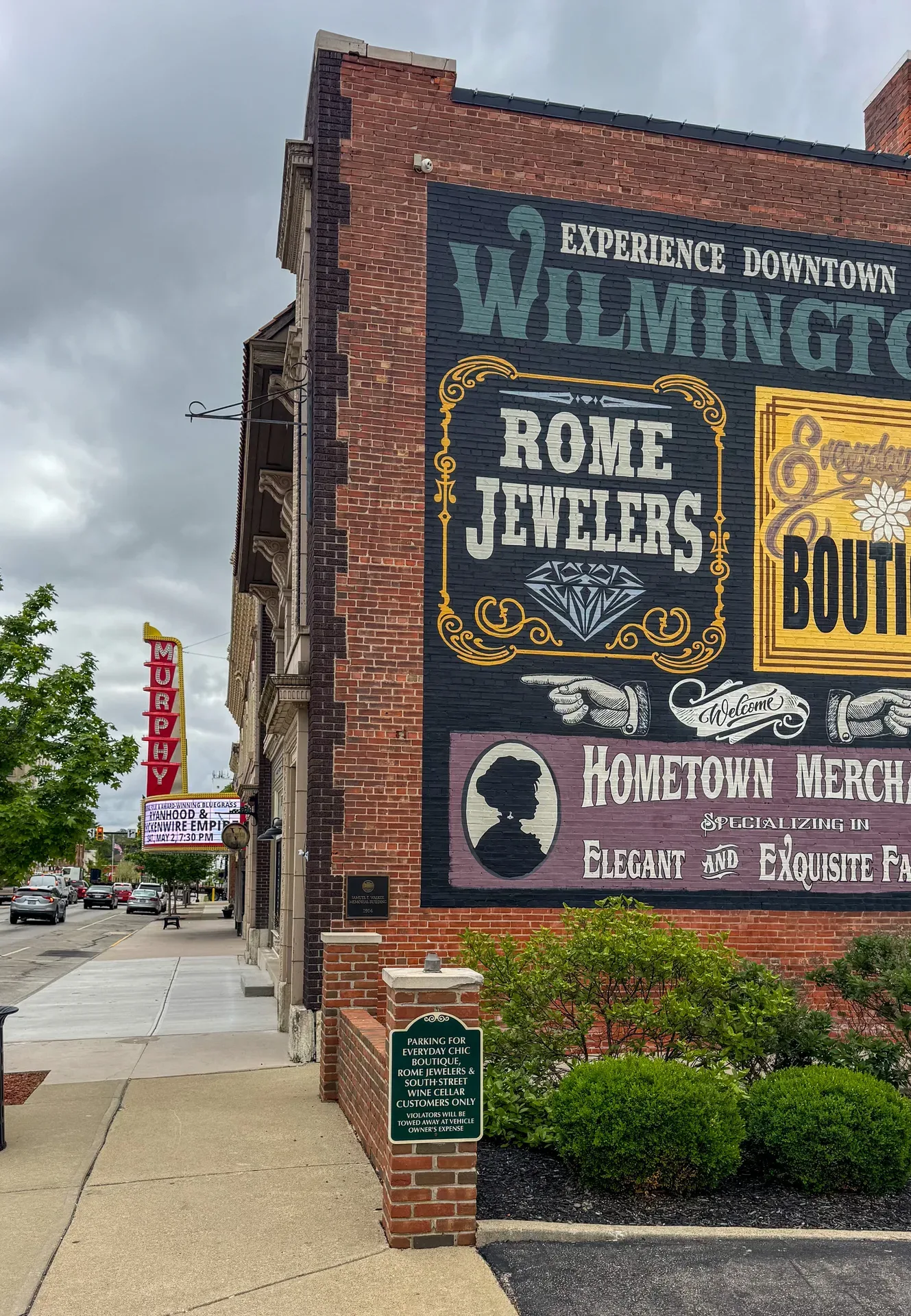
The Murphy Theatre
Live shows, movies, and community performances anchor downtown Main Street all year, and we are usually there with our own families.
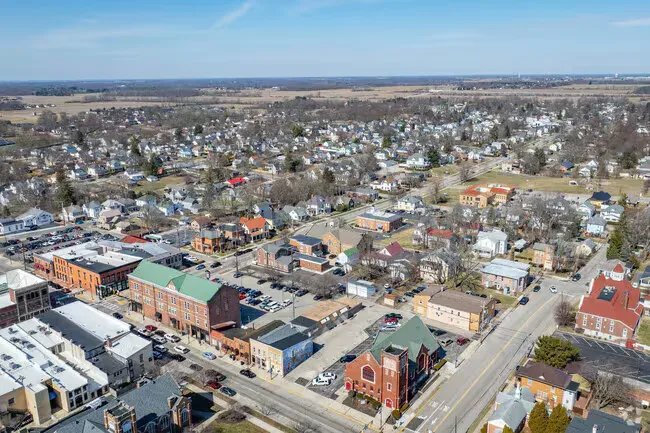
A hometown view
From downtown rooftops to quiet residential streets, this is the town we know block by block, street by street.
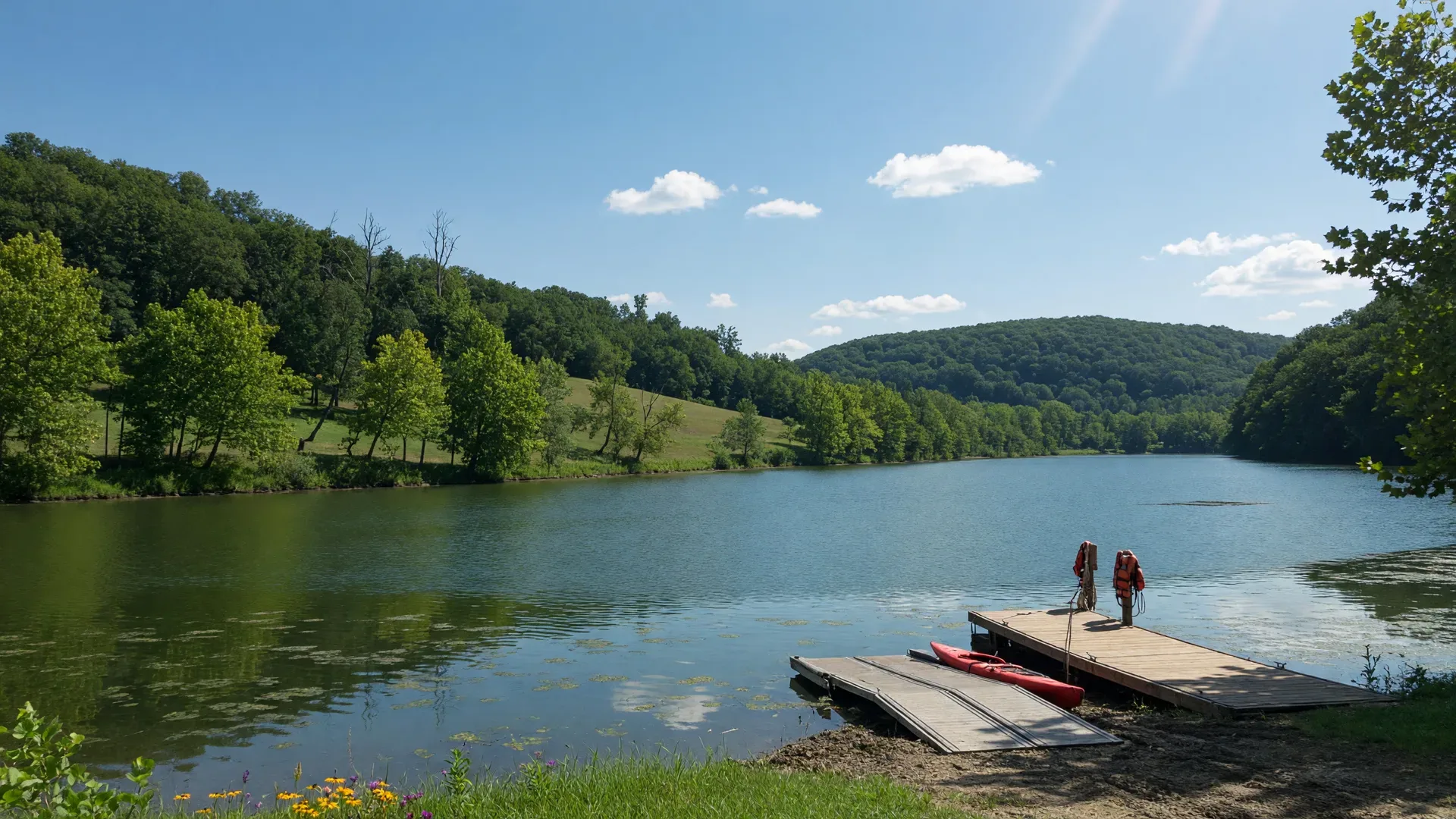
Lake days close by
Cowan Lake State Park and area lakes are a short drive from nearly every neighborhood in Clinton County, perfect for weekends.
Ask us about any of it: downtown events at the Murphy Theatre, the 4-C Bicentennial Trail, Friday nights under the lights, and lake days at Cowan Lake. We will tell you what we actually do on our days off, and we can show you the neighborhoods to match.
Still have questions?
We're always happy to talk — no appointment necessary. Whether you're just starting to think about buying or ready to list your home this week, reach out anytime.