Winter in Clinton County: What Freezing Temps Do to Wells, Septic and Older Homes
Most homes outside Wilmington's city limits run on a private well and septic system, and Ohio winters are hard on both. Wilmington averages about 22 inches of snow a year, January is the coldest month at an average of 29 degrees, and the first frost typically arrives by October 17. When temperatures hold around 20 degrees for hours at a time, exposed pipes, well components, and septic lines are at real risk, and thawing a frozen septic line alone typically costs $1,000 to $3,000. Most of that damage is preventable with a focused prep routine, and this guide covers what winter does to rural homes here, what the fix costs, and what buyers and sellers should check.
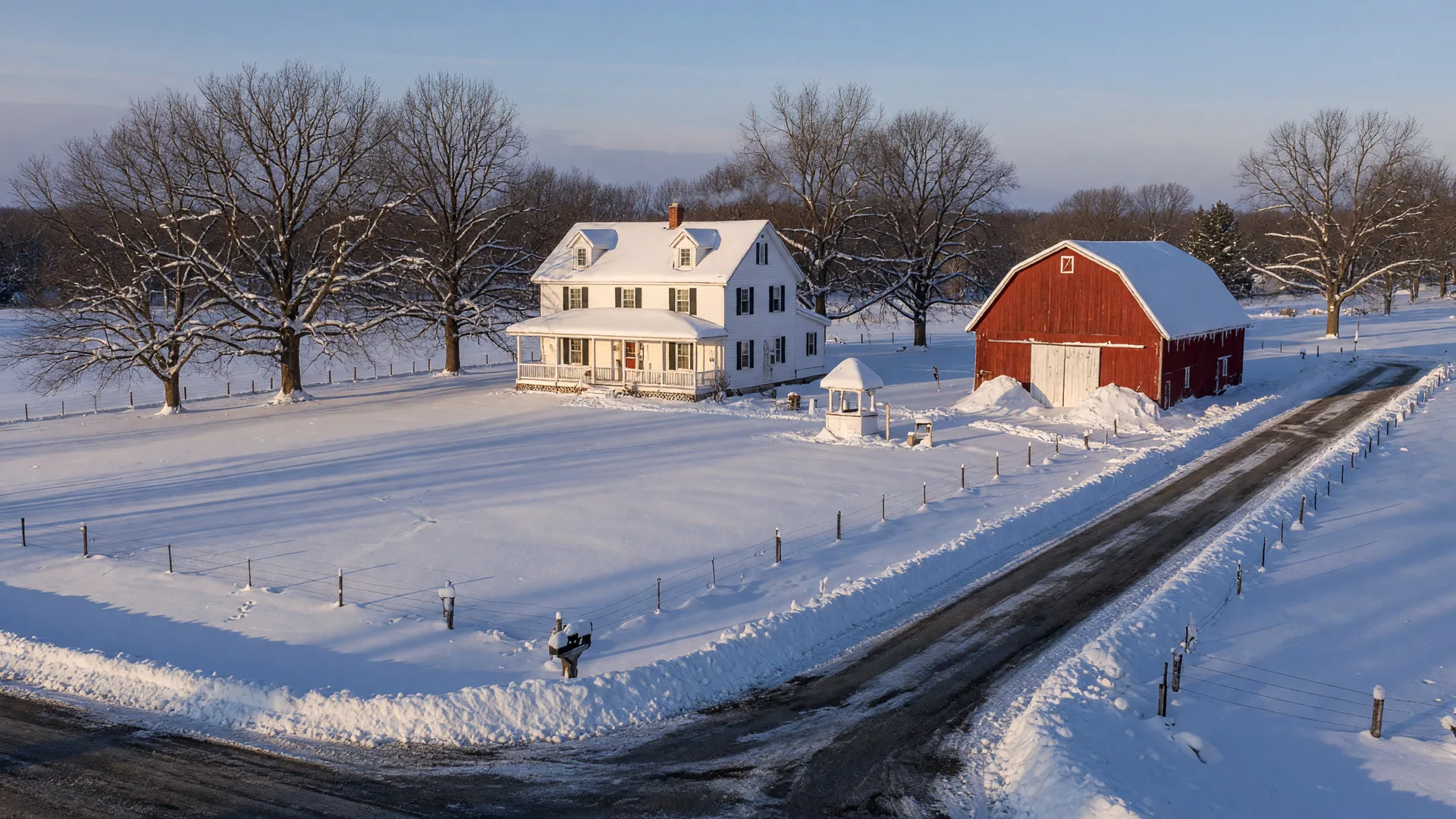
The well, the pressure tank, and the septic line all sit above or near the frost line, which is why winter prep matters on rural property.
The shortest way to say it: an Ohio winter is a stress test for the systems most rural homes depend on. In Clinton County, a large share of the housing stock sits outside city water and sewer limits, which means a private well and a private septic system. Freeze-thaw cycles, temperatures in the teens, and heavy snow are not hypotheticals here; they are the normal season. The systems that fail under that stress, and the costs that come with them, are the subject of this guide.
The same stress applies in Greene County and Highland County, where acreage homes near Wilmington, Xenia, Jamestown, Leesburg, and Greenfield sit on the same kinds of wells and septic systems. Winter prep is a homeowner task first, but it is also a buyer and seller task: the condition of a well, tank, and lines matters at the closing table, and winter is the season that exposes what summer hides.
Winter in Clinton County, by the numbers
Average annual snowfall, Wilmington
December through February carries about 17 of those inches, with January the snowiest month at around 7 inches.
January average temperature
January highs average 37 and lows average 20, so nights below the 20-degree pipe-freezing threshold are routine.
Average first fall frost
Frost risk builds through October, with a 50% chance of 32 degrees by around October 20 for ZIP 45177.
Thaw a frozen septic line
The most common winter septic emergency, and one a weekend of fall prep can usually prevent.
Those are the numbers that drive the advice in this guide. Climate figures are compiled from National Weather Service normals published through UsClimateData for Wilmington, Ohio, and frost dates come from the Old Farmer's Almanac for ZIP 45177. Cost ranges come from published plumbing and septic industry cost guides, and this is general education, not an estimate for any specific property.
How cold does it get in Wilmington, and how much snow falls?
The table below is the short answer for the meteorological winter months, based on the long-term normals compiled for Wilmington, Ohio. It matters to homeowners because the coldest nights, not the average, are what freeze pipes, and the snow totals decide how much showings, moving, and drain-field snow cover you will manage.
Average winter climate for Wilmington, Ohio (45177), based on long-term normals compiled by UsClimateData
| Month | Avg high | Avg low | Avg snowfall |
|---|---|---|---|
| December | 41°F | 26°F | 4 inches |
| January | 37°F | 20°F | 7 inches |
| February | 40°F | 22°F | 6 inches |
| Full season | About 17 inches; about 22 for the full year |
Two takeaways from that table. First, January and February lows around 20 degrees are the norm, so the pipe-freezing threshold of about 20 degrees is hit regularly through the season. Second, the full-year snow total of about 22 inches matters for rural showings: a snow-covered drain field is doing its insulating job, and a snow-packed driveway is a normal winter condition, not a defect.
When is the first frost in Clinton County?
For Wilmington and ZIP 45177, the average first fall frost is October 17 per the Old Farmer's Almanac. Risk builds through the month: about a 20% chance of 32 degrees by October 10, about 50% by October 20, and about 80% by October 28. Fall is the deadline for outdoor winterizing chores, and our fall home maintenance checklist times those tasks against this exact date.
What does a freeze-thaw winter actually do to a house?
The damage pattern in southwest Ohio is rarely one dramatic cold snap. It is the freeze-thaw cycle: water seeps into gaps during a warm afternoon, freezes and expands at night, and widens the gap a little each time. That is what bothers foundations, brick steps, and masonry on older homes, and it is what turns a small roof leak into an ice dam when snow melts off a warm roof and refreezes at the cold eave.
Inside, the freeze risk concentrates where pipes are close to outside air: crawl spaces, unheated basements, garages, and exterior walls. Suffice it to say, a frozen pipe is not a slow problem. Ice expands inside the line, and when it becomes a burst, you are dealing with both the plumbing repair and the water damage. Consumer Reports and plumbing cost guides put a typical burst-pipe repair around $500 on average, with most jobs from $200 to $3,000, before any drywall, flooring, or contents damage.
Homes in downtown Wilmington and the older villages of historic homes have their own winter quirks: uninsulated walls, original windows, and plumbing routed through additions. Our guide to historic homes near the Courthouse Square covers what to look for, and winter is the best season to spot a drafty, under-insulated property before you make an offer on it.
What happens when a well freezes?
The well itself is drilled below the frost line, so the water in the ground rarely freezes. The risk sits above ground: the pressure tank, exposed piping, and any pump in an unheated well house, crawl space, or basement. When that equipment freezes, the ice can crack pump housings, burst pipes, and force the small tube to the pressure switch to push the contacts open. A frozen line can also make the pump run continuously against back pressure and burn out, which is why shutting off the breaker is the first move if the system freezes.
The classic symptom is a trickle or no water on a frigid morning. The fix is thawing whatever froze and replacing damaged parts, and a full pump replacement, when needed, typically runs about $1,500 to $2,800 with labor in Ohio. The cheap insurance is a fall inspection of the pump, pressure tank, and piping, plus insulation on exposed lines. The Ohio Department of Health Private Water Systems Program and the Water Systems Council publish the winterizing steps well owners should follow.
What happens when a septic system freezes?
A septic tank is buried, but the pipes between the house and the tank, and the shallow part of the system, sit close to the frost line. When they freeze, the first signs are slow drains, toilets that will not flush, and gurgling from trapped air, and a full freeze can push waste back up into the house. Frozen septic lines are the most common winter septic emergency, and published cost guides put the thaw at about $1,000 to $3,000.
The three most common causes are a tank that was not pumped before winter, a drain field with its insulating snow plowed or driven off, and a vacant home generating no warm wastewater flow. If your property is one of the many seasonal or second homes in the area, the risk is highest. For a full picture of wells and septic on local rural property, including testing and point-of-sale rules in each county, our wells and septic buyer's guide is the companion to this one.
Typical 2026 costs when winter systems fail, based on published plumbing and septic industry cost guides (general education, not quotes)
| Winter failure | Typical cost | Notes |
|---|---|---|
| Frozen septic line, thawed | $1,000-$3,000 | The most common winter septic emergency |
| Frozen pipe, thawed before burst | $150-$500 | Cheap if caught early |
| Burst pipe section replaced | $400-$1,200 | Before water damage is counted |
| Burst pipe repair, average | About $500 | Most jobs land $200-$3,000 |
At what temperature do home pipes freeze?
The threshold most cited by Consumer Reports and plumbing guides is about 20 degrees Fahrenheit for several hours, though exposed or uninsulated pipes in unheated spaces can freeze at 32. Look at the Wilmington normals again: January lows average 20 degrees, so nights at or below that line are a regular occurrence. When the forecast shows a night in the teens, the standard play is a slow drip at the faucets farthest from the main, plus cabinet doors open under sinks on exterior walls so house heat reaches the pipes.
All of this is plumbing, septic, and climate education in plain language. Exact freeze points depend on your home's construction, and repair costs depend on the contractor you choose. A licensed plumber, septic contractor, or well service can give you a real quote for your address.
What should I winterize before the first frost?
The highest-value tasks are the ones on the well, the septic, and the plumbing, because those are the systems that run on your property alone. Use this as the rural-home list; the general roof, gutter, and HVAC items live in our fall maintenance checklist.
Septic: pump before winter, protect the drain field
If the tank has not been pumped in 3 to 5 years, do it before the ground freezes. Add rigid foam insulation over the tank lid if the lid is exposed, keep snow cover over the drain field instead of plowing it off, and never drive equipment over the field, because compaction pushes frost deeper. Keep the system in regular use all season.
Well: inspect, insulate, and mark locations
Before cold weather, have the well, pump, and pressure tank inspected, and insulate exposed pipes and the wellhead. Keep heat on in any well house, and mark the well and tank locations so they can be found under snow in an emergency. Confirm the pitless adapter is sound; it is the frost-proof seal between the casing and the water line.
Plumbing: shut off outdoor water, protect interior lines
Drain and shut off exterior spigots, disconnect hoses, and winterize irrigation lines before the first hard freeze. Insulate pipes in crawl spaces, garages, and exterior walls, and know where your main shutoff is. If you leave for a long stretch in winter, keep the heat up enough to protect the pipes and have the house checked after heavy snow.
If the home is vacant or seasonal
A vacant home is the highest winter risk for both wells and septic. Drain the plumbing or keep modest heat on, add non-toxic RV antifreeze to traps and toilets, shut off power to the well pump if the house will be unheated, and keep the property checked so a failure does not wait weeks to be discovered. Many winter insurance claims start with an empty house.
From our office: how we plan winter with buyers and sellers
In our work with buyers and sellers across Clinton, Greene, and Highland counties, the same pattern shows up every fall: rural properties sell or go under contract all winter, and the well, septic, and heating systems are the parts of the house that get the least attention until a cold snap finds their weakness. That is why our team asks sellers for the well log, septic pumping records, and furnace service history before we ever list a country property, and why we tell winter buyers to check those same records first. You can verify a property's condition any season, but winter makes an under-insulated pipe or a failing drain field impossible to hide.
Objectively, the winter months are also the months when a water test, septic inspection, or furnace service can be slow to schedule, so we build those into the contract timeline instead of the last week. Getting the due diligence calendar right is part of every buyer and seller transaction we handle.
What should buyers check when touring a rural home in winter?
1. Water pressure and temperature on a cold day
Run every faucet and the shower during the showing. A trickle or weak flow on a cold day is the classic well or frozen-line symptom, and it is easy to test in winter and easy to miss in summer.
2. Septic records and the drain field
Ask for the septic permit, pumping history, and any maintenance paperwork, and look at the drain field from the road or the yard for compacted ruts, standing water, or signs the field gets driven on. Snow cover is expected and helpful; tire tracks through the field are not ideal.
3. Heating system age and service history
Ask when the furnace or heat pump was serviced and its age. A system that has not been serviced in years is a negotiation item, and winter is the season when system condition shows up in the utility bill.
4. The county health district rule for the address
Point-of-sale well and septic rules are set by each county. Confirm the requirements and fees with the Clinton County Health District, Greene County Public Health, or Highland County Health Department for the specific property before you write an offer, so nothing lands on you by surprise at closing.
What should sellers do before listing in winter?
Sellers, the same records buyers want are the ones that de-risk your sale. A file with the well log, the septic permit, recent pumping receipts, and the furnace service history takes the fear out of a winter offer. If the tank has never been pumped on your watch, pump it now; a fresh, documented service outperforms any line in a listing description. Snow should be cleared on the driveway, walkways, and steps for every showing, and the heat should be at a comfortable level, because buyers who step into a cold house assume the worst about the whole property.
If you are selling an older home, winter is also your chance to show the seasonal behaviors in the best light: a well-lit exterior, clear gutters, and a driveway that drains well all say "cared for" to buyers. Our Selling Guide covers pricing and presentation for this market, and a free home valuation can show where your property stands today.
Winter home questions homeowners ask us most
At what temperature do pipes freeze in a home?
The commonly cited threshold is about 20 degrees sustained for several hours, though exposed or uninsulated pipes in unheated spaces can freeze at 32. Wilmington's January lows average 20 degrees, so nights in the teens are routine, which is exactly when failures happen.
Can a private water well freeze in winter?
The well itself is drilled below the frost line, so groundwater rarely freezes. The risk is in the above-ground components: the pressure tank, exposed pipes, and any pump or piping in an unheated well house, crawl space, or basement. Insulating those and keeping heat on in a well house protects the pump and pressure switch.
What happens when a septic system freezes?
The first signs are slow drains, toilets that will not flush, and gurgling sounds from trapped air, and a full freeze can push waste back up into the house. Thawing a frozen septic line is the most common winter septic emergency and typically costs $1,000 to $3,000.
How do I keep a septic system from freezing?
Pump the tank before winter, insulate exposed pipes and tank lids, keep snow cover over the drain field instead of plowing it off, and keep the system in regular use, because warm wastewater flow helps prevent freezing. A vacant home is the highest-risk situation.
Should I leave faucets dripping when it gets below freezing?
Yes. A slow drip keeps water moving and relieves pressure, and opening cabinet doors under sinks on exterior walls lets house heat reach the pipes. This is the standard advice for nights forecast to stay around 20 degrees or below for hours.
Do I need to winterize the well and septic at a seasonal or vacant home?
Yes. Drain the plumbing or keep modest heat on, add non-toxic RV antifreeze to traps and toilets, shut off power to the pump if the house will be unheated, and mark the well and tank locations so they can be found under snow. Have someone check the property after heavy snow.
Want to see how winter holds up across the homes in your price range? Our Market Report tracks Clinton County pricing and days on market, the Country and Acreage guide covers what rural properties actually sell for, and the cost-of-living page includes utilities and the monthly line items that complete the winter picture.
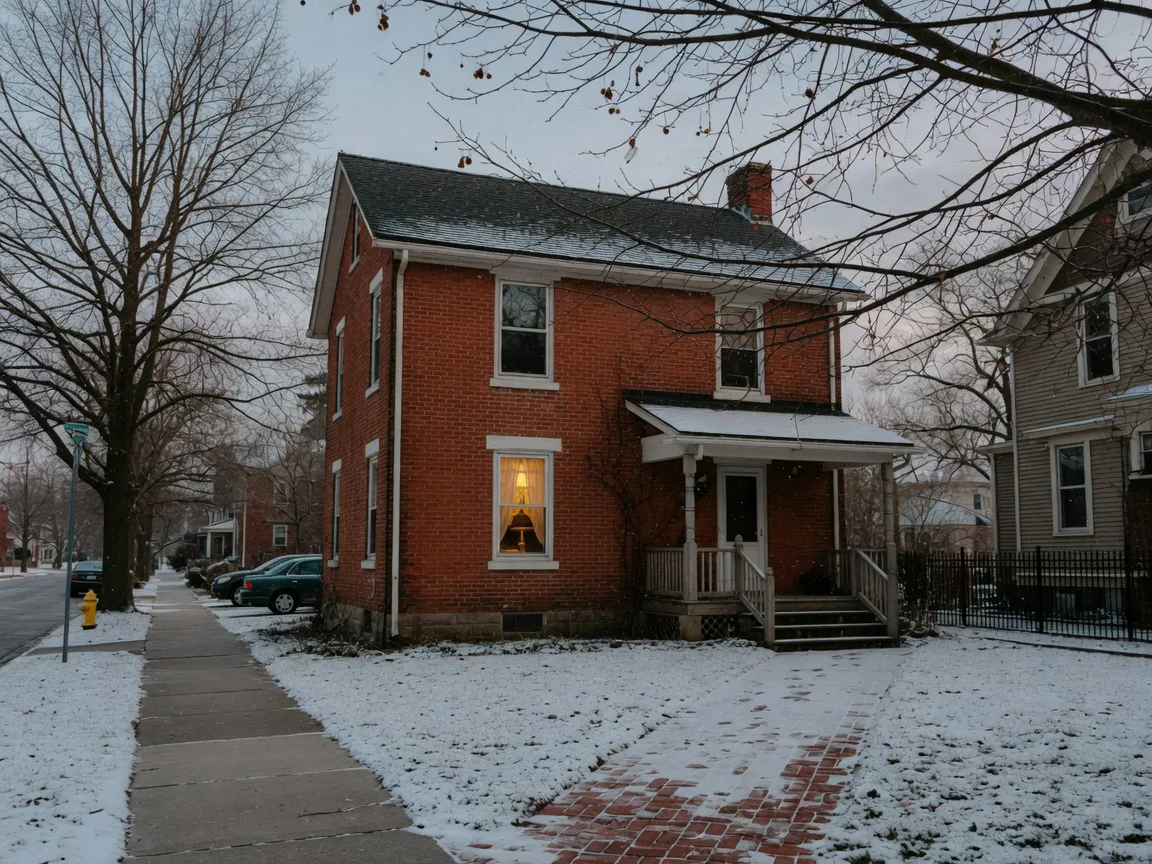
Historic homes near the Courthouse Square show their construction quirks most clearly in winter, when drafts and uninsulated walls are easy to find.
Authoritative sources referenced in this guide
- UsClimateData: Climate norms for Wilmington, Ohio
- Old Farmer's Almanac: Frost dates for ZIP 45177
- Ohio Department of Health: Private Water Systems Program
- Water Systems Council: Winterizing and De-winterizing a well
- This Old House: How to prevent a septic system from freezing
- Consumer Reports: How to keep pipes from freezing
- Angi: Burst pipe repair costs
- Clinton County Health District, Environmental Health
- Greene County Public Health, Sewage and Water
- Highland County Health Department, Household Sewage Systems
Published October 9, 2026. Scheduled for annual review each October so frost dates and cost ranges stay current for the season. Climate figures are long-term normals and cost ranges are typical Ohio-wide figures from published guides, intended for planning; exact pricing depends on your home, site conditions, and the contractors you choose. Verify current point-of-sale rules and fees with the health district for a specific address before closing.
This article is general educational information about home maintenance, plumbing, wells, and septic systems. It is not legal, tax, or financial advice, and it is not an endorsement of any specific contractor, service, or product. Consult a licensed plumber, septic contractor, well service, home inspector, and your real estate professional for advice specific to your property, and consult qualified professionals for legal, tax, title, and mortgage matters.
Glasshouse Realty is committed to fair housing: we do not discriminate on the basis of race, color, religion, sex, national origin, familial status, disability, or any other protected class. Buyers and sellers are free to choose their own well contractors, septic inspectors, plumbers, lenders, and title providers, and you are never obligated to use any provider we mention.
Buying or selling a rural home this winter?
The Glasshouse Realty Wilmington team lives and works in Clinton County, and we handle rural acreage all year. Call or stop in and we will walk you through the well, septic, and winter questions for any property on your list, no pressure.
Glasshouse Realty Wilmington, 117 N. South St, Suite A, Wilmington, OH 45177