Wells and Septic on Rural Homes: What Buyers Near Wilmington Should Know
Most rural homes around Wilmington do not sit on city water and sewer; they run on a private water well and a septic system, and in Clinton, Greene, and Highland counties that is the norm for acreage properties. That does not make them harder to own, but it does make them different to buy: plan on water testing, a septic inspection, and a few thousand dollars in long-term maintenance that city-water neighbors never think about. The rules come from Ohio state code, but which tests are required at sale is decided county by county.
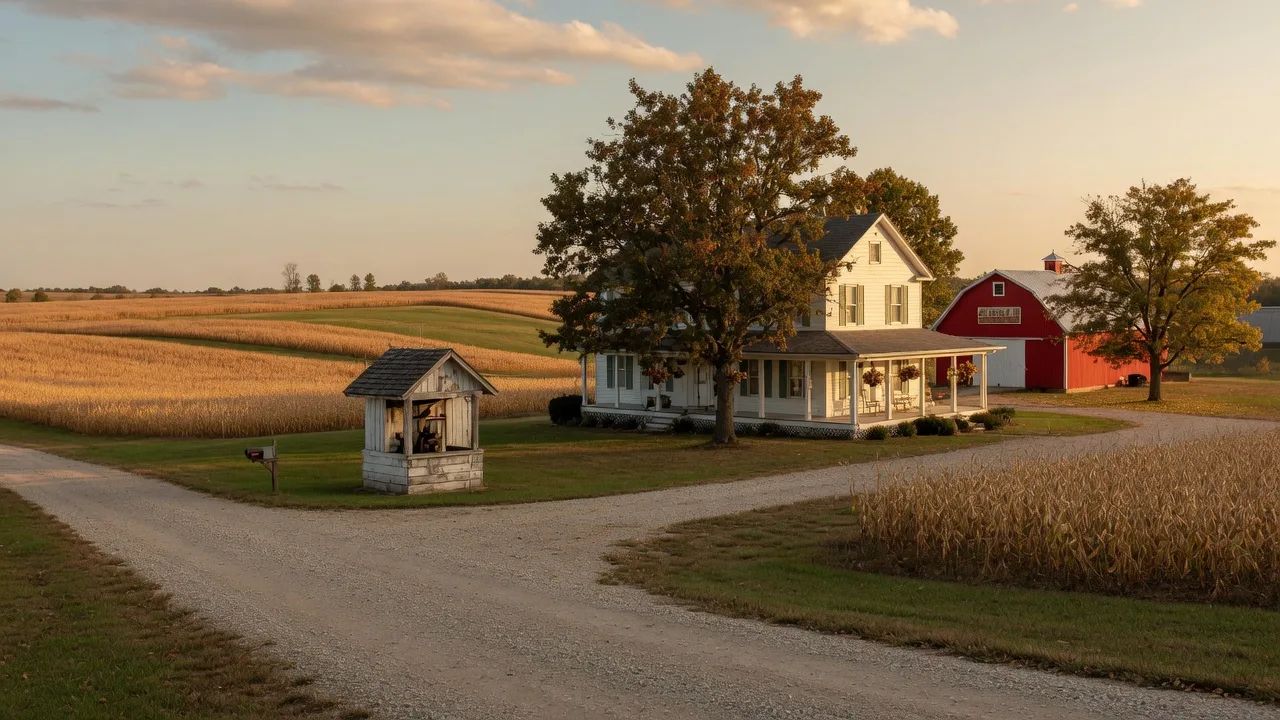
The well-house and the septic field are part of the property you are buying, not an afterthought.
If you are searching for acreage in and around Wilmington, you have probably noticed something about the listings: most of them run on a private well and a private septic system. Homes inside Wilmington proper typically connect to city water and sewer, but outside the service limits, which is where most of the 5-acre and 20-acre properties sit, the rule of thumb flips. In Clinton, Greene, and Highland counties, country living means you are responsible for your own water and your own wastewater.
That is not a reason to avoid rural properties. It is a reason to buy them with your eyes open, because a well and septic system behave like appliances with finite lifespans, and their condition shows up in your monthly costs and your resale value. This guide walks through how they work, who regulates them in the three counties, what happens at the sale, what everything costs, and the exact steps to take before you sign.
How a well and septic system actually work
A private water well is a drilled or dug hole into groundwater, fitted with a pump (usually submersible, down in the well) that pushes water into a pressure tank in your home so every faucet works at consistent pressure. A septic system is a buried tank that separates solids from liquids and a drain field, a set of perforated pipes in gravel trenches, that lets the clarified liquid filter safely through the soil.
Both systems depend on what is under your particular property. The county health district runs a site evaluation before a new system is approved: soil type, depth to bedrock, distance to groundwater, and slope all decide whether you get a conventional gravity system or need an engineered alternative like a mound or an aerobic treatment unit. The same soil that decides the septic design also shapes how your well performs, which is why neighboring properties can have very different water and waste setups.
Our Country & Acreage guide covers what rural properties near Wilmington actually sell for and which districts serve them, and the outdoor living guide explains why so many buyers want the space in the first place.
Who regulates wells and septic here: Ohio code, enforced county by county
The state sets the framework. Private water wells fall under Ohio Administrative Code Chapter 3701-28, and septic systems (household sewage treatment systems) are governed by Ohio Revised Code Chapter 3718 and OAC Chapter 3701-29. But the permits, site evaluations, and inspections are issued by your local county health district, and those districts set their own fees and their own point-of-sale rules.
There is no single statewide requirement that a well be tested or a septic system inspected at sale. Most Ohio counties run their own point-of-sale programs, so the first call you make for any specific address is to the health district where the property sits:
Clinton County Health District
Environmental Health division handles private water systems and sewage treatment permits, site approvals, and sanitarian inspections.
co.clinton.oh.us/EnvironmentalHealthGreene County Public Health
Sewage and water inspections for homes and small businesses, plus private water well testing. Annual bacteria testing is recommended for well owners.
greenecophoh.gov/environmental-health/sewage-and-waterHighland County Health Department
Household sewage systems and private water systems: site selection, installation guidance, testing, and inspections.
highlandcountyhealth.org/household-sewage-systems-1One state rule matters for nearly new homes: since 2015, every Ohio health district must run an operation and maintenance program for septic systems, and systems installed after July 1, 2021 carry mandatory ongoing O&M requirements. When a listing says "new septic 2022," there may be a service schedule and paperwork attached, so ask for the maintenance records along with the permit.
What happens at the sale: inspections, testing, and timing
The single most important habit for rural buyers: never rely on a verbal "the well is fine." Put a well-water test and a septic evaluation into the offer as due diligence, with a clear window for the results. In the counties that run point-of-sale programs, comparable Ohio districts charge about $250 to $400 for a septic evaluation and roughly $100 for a coliform water test, and a failed test can be grounds to renegotiate or walk away.
Keep financing in mind when you set your dates. A conventional loan usually proceeds with a passing water test and septic inspection, while FHA and USDA loans nearly always require a potability test and commonly a septic inspection as closing conditions. If those results are slow, your closing date moves, so build the contingency period into the contract from day one rather than scrambling at the end.
The 30-second inspection checklist
- Ask for records: the well log (depth, drilling date, flow rate) and septic permit, pumping history, and any O&M paperwork.
- Test the water for: coliform bacteria, nitrates, pH, and hardness at minimum; add arsenic and lead if the home is older or the area is agricultural.
- Watch the yard: soggy patches, standing water, or lush green stripes over the drain field signal trouble.
- Check the tank: pumping records every 3 to 5 years are the healthy baseline; no records is a yellow flag, not a deal-breaker.
What the numbers look like right now
New private well, installed
Drilling, casing, pump, pressure tank, and electrical. Ohio drilling runs roughly $25 to $55 per foot.
New septic system, installed
Conventional gravity systems typically land at $6,000 to $12,000; mound and aerobic systems run higher.
Septic pumping, every 3-5 years
The standard Ohio maintenance interval and typical cost for a residential tank.
Typical well pump lifespan
Replacement runs about $1,500 to $2,800 with labor, so a pump nearing its age matters at negotiation.
These are Ohio-wide ranges, and southwest Ohio prices sit within them, typically on the lower side for drilling. County health districts set their own permit and testing fees, so treat these as planning numbers and confirm the exact quote with a local contractor and your health district.
The buyer's checklist for any rural property
1. Match the water and waste setup to the price
A property priced like a subdivision home can carry a $15,000+ replacement septic or a failing well. When comparing offers, add the realistic cost of each system to the purchase price, then compare apples to apples.
2. Test, don't trust
Include water testing (coliform and nitrates at minimum) and a licensed septic evaluation as offer contingencies. See the actual lab report and the actual inspection write-up, not a summary.
3. Pull the paper trail
Well logs, septic permits, pumping receipts, and O&M records tell you how the systems were treated. Gaps are questions to ask the seller, and the health district can confirm permits on file.
4. Verify the rules for your address
Call the county health district for point-of-sale requirements and fees before you write the offer, so nothing lands on you by surprise at the closing table.
5. Budget for the long haul
Plan on septic pumping every 3 to 5 years, water testing annually, a pump replacement somewhere in the next decade, and a small cash reserve toward either system's eventual replacement.
These steps are also exactly what we walk buyers through on every acreage purchase. If you are comparing rural properties, our Buying Guide covers the rest of the process, and the Wilmington FAQ answers the neighboring questions about taxes, schools, and commute time.
If you are selling, or building new
Sellers, the same records buyers want are the ones that de-risk your sale. A file with the well log, the septic permit, and recent pumping receipts removes the fear factor from a rural offer and shortens negotiations. If you have never had the tank pumped, now is the time, because a fresh, documented service outperforms any claim in the listing description. Getting the property ready is covered step by step in our Selling Guide.
Buyers of new rural construction face a different twist: the well and septic are part of the builder's package, and their combined cost, often $6,000 to $20,000, is folded into your purchase price or quoted as a separate line. Insist on seeing the site evaluation that justified the septic design and the well log before you commit. More on that process, including lot costs per acre across Clinton County, is in our new construction and building lots guide.
Well and septic questions buyers ask us most
Is a well-water test or septic inspection required when buying a home near Wilmington?
Ohio has no single statewide rule, so the answer is county-specific. Many Ohio counties run point-of-sale programs that require a septic evaluation and water test before transfer, typically about $250 to $400 for the septic inspection and roughly $100 for the water test. Confirm the current rule with the health district for the property's address, and know that your lender may require testing regardless.
How much does a new septic system cost in Clinton, Greene, or Highland County?
A conventional gravity system typically runs $6,000 to $12,000 in Ohio, with the broader state range at $6,000 to $20,000. Mound systems often land between $15,000 and $30,000, and aerobic treatment units roughly $10,000 to $25,000 plus $75 to $175 a month to operate. Your soil evaluation decides which design your site requires.
How much does it cost to drill a new water well in southwest Ohio?
A complete installed well system typically runs $5,000 to $15,000, with drilling quoted around $25 to $55 per foot in Ohio. Costs vary with depth, rock, and distance from the house to the drill site, so always get multiple written quotes for a new build.
Can I finance a home with a well and septic system?
Yes. A passing well-water test and septic inspection satisfy conventional underwriting, and FHA and USDA loans make them near-universal closing conditions. Build enough time into the contract for the lab and inspection results before your financing deadline.
Who do I call for well and septic questions in our area?
Start with the county health district: the Clinton County Health District's Environmental Health division for Clinton County, Greene County Public Health for Greene, and the Highland County Health Department for Highland. They issue permits, run site evaluations, set point-of-sale requirements, and can confirm records on a specific property.
Want to see how rural properties with well and septic systems compare to city-water homes in your price range? Our Market Report tracks Clinton County pricing, and the cost-of-living page includes utilities and the monthly line items that complete the picture.
Authoritative sources referenced in this guide
- Ohio Administrative Code Chapter 3701-28: Private Water Systems
- Ohio Revised Code Chapter 3718: Household Sewage Treatment Systems
- Clinton County Health District, Environmental Health
- Greene County Public Health, Sewage and Water
- Highland County Health Department, Household Sewage Systems
How we help with rural property due diligence
We live and work in this community, and we sell enough acreage to know exactly which questions separate a smooth rural closing from a painful one. When you tour a property, we will tell you what to ask about the well and septic before you ever get emotionally attached, and we keep the inspection timelines straight so testing results never blow your closing date.
Looking at acreage near Wilmington?
Call or stop in to the Glasshouse Realty Wilmington office. We will walk you through the well and septic questions for any property on your list, no pressure.
Cost figures in this guide are typical 2026 Ohio-wide ranges sourced from published well-drilling and septic industry guides and are intended for planning; exact pricing depends on depth, soil, site conditions, and the contractors you choose. Point-of-sale requirements and fees are set by each county health district, so verify the rules and current fees for a specific address with that district before closing. FHA and USDA loan conditions vary by lender.
Glasshouse Realty is committed to fair housing: we do not discriminate on the basis of race, color, religion, sex, national origin, familial status, disability, or any other protected class. Buyers and sellers are free to choose their own well contractors, septic inspectors, testing labs, lenders, and title providers, and you are never obligated to use any provider we mention or recommend. This article discusses property inspections and testing; it is educational information, not an endorsement of any specific company.